Property Types
You Cannot 1031 Your Home, With Two Exceptions
A primary residence is not held for investment, so it does not qualify. But the boundary between a home and a rental is more porous than it sounds.

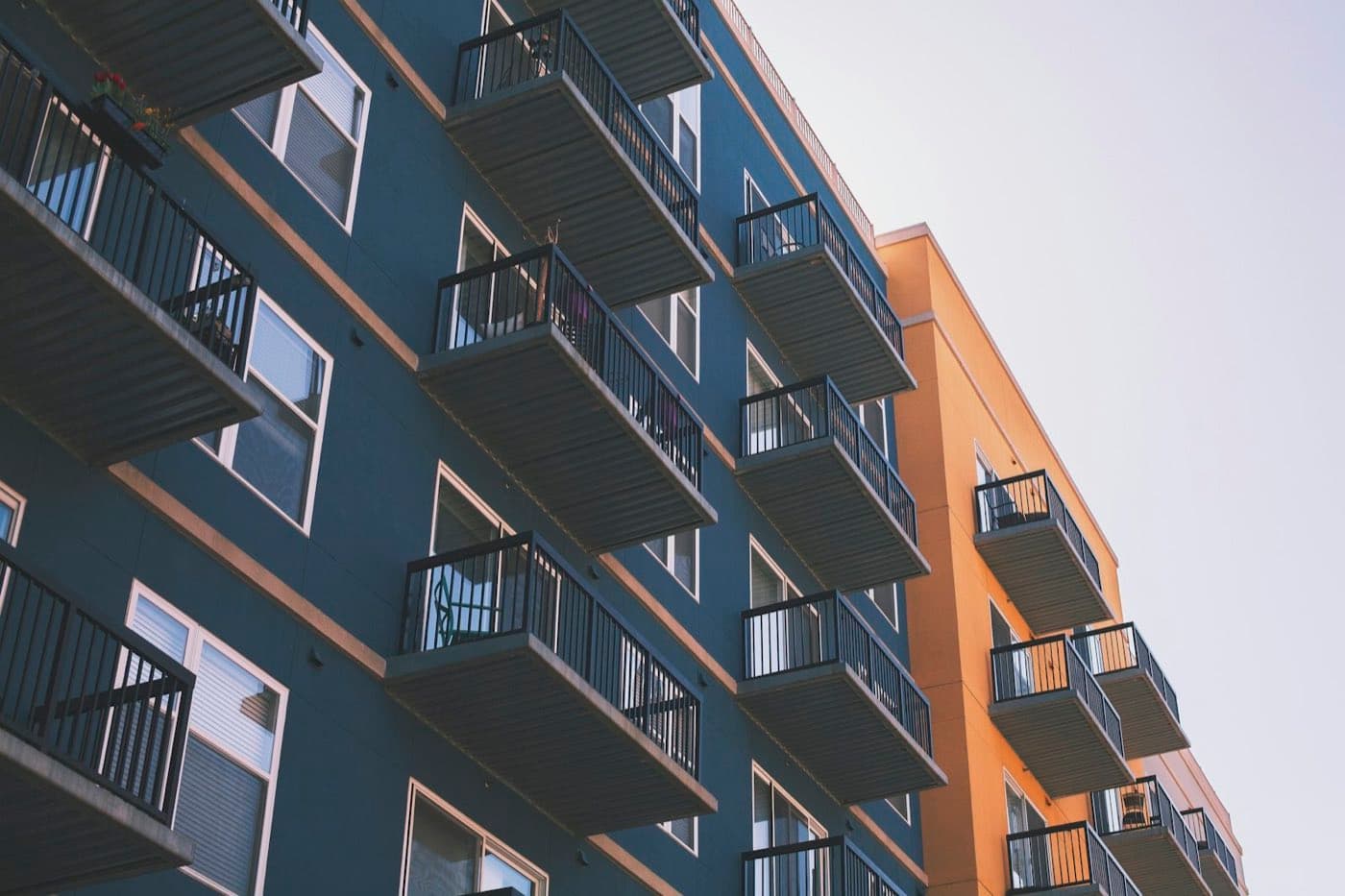
Illustration generated for this article by 1031 Exchange News Today.
The short answer is no. A primary residence is not held for productive use in a trade or business or for investment, which is what Section 1031 requires. But the boundary between a home and an investment property is more porous than that sentence suggests.
Why homes are excluded
Because you live in them. The purpose test is about how the property was held, and a home is held for personal use. No amount of appreciation converts it.
Homeowners have their own relief instead, and it is generous: Section 121 excludes up to $250,000 of gain for a single filer, $500,000 for a married couple filing jointly, provided you owned and lived in the property for two of the previous five years.
The first exception: it used to be a rental
A property genuinely held as a rental, then converted to your home, can carry deferred gain from an earlier exchange. The rules that follow it are strict.
- If it was acquired in a 1031 exchange, it must be held five years before Section 121 can apply at all.
- The exclusion is reduced in proportion to periods of non-qualified use after 2008.
- Depreciation claimed while it was a rental is never excluded and remains subject to recapture.
The second exception: part of it is business
A duplex where you occupy one unit and rent the other is two properties for tax purposes. The rented portion can be exchanged; the portion you live in cannot. The same logic applies to a genuine home office or a converted outbuilding, allocated by square footage or another defensible method.
| Property | Section 121 | Section 1031 |
|---|---|---|
| Primary residence | Yes, up to $250k or $500k | No |
| Rental property | No | Yes |
| Duplex, owner-occupied | On your unit | On the rented unit |
| Former rental now your home | Partly, after 5 years | Only before you moved in |
| Vacation home, personal use | No | Only within the safe harbour |
Moving into a property you exchanged into
Permitted, and common. Buy the replacement, rent it at market rate for a period long enough to establish it was held for investment, then move in. Practitioners typically want to see two years of genuine rental use, and the five-year holding rule applies before Section 121 can be claimed.
Disclosure
This article is published by Easy1031, a qualified intermediary with a commercial interest in readers starting an exchange. The rules and mechanics described here are the same whichever intermediary you use. Nothing here is tax or legal advice.